
Google’s latest update could have major implications for your SEO rankings depending upon how you are producing content today. With the new core update, understanding the details of the update will ensure that you can make the most of your SEO efforts in 2024.
According to Google, the main focus of this update is to show less content that is geared to generate clicks, and more content that people find useful. Google has put AI-generated spam and AI-generated content directly in its crosshairs for this new update.
Everyone who has tried using Google Search in the last six months has noticed a huge uptick in AI generated content, *cough* spam *cough*, that has been choking out more relevant and useful content. For instance, the other day, a friend of ours forgot the name of Cauliflower and searched "white broccoli." Google returned results from recipes.net:

Close but wrong!
With the new update, we should see a decrease in content like this. According to Elizabeth Tucker, Director, Product Management:
Based on our evaluations, we expect that the combination of this update and our previous efforts will collectively reduce low-quality, unoriginal content in search results by 40%.
This means that Google will be implementing several new systems to address these issues: new spam policies, limiting expired domain abuse, and addressing scaled content abuse. Google states that this is one of their most complex updates ever, so we imagine it will take at least one month to fully implement. That means you should expect more fluctuation than normal in your rankings as the core update is implemented.
What does this mean to you and your site – hopefully not much, but you'll want to make sure you are getting the details of this update right to make sure your content continues to rank high! If you have been following a sound SEO strategy, this update shouldn’t affect your rankings negatively. If anything, you should begin to rank higher because you have helpful and original content on your site, right?
Google gave this advice when thinking about your content:
- Does the content provide original information, reporting, research or analysis?
- Does the content provide a substantial, complete or comprehensive description of the topic?
- Does the content provide insightful analysis or interesting information that is beyond obvious?
- If the content draws on other sources, does it avoid simply copying or rewriting those sources and instead provide substantial additional value and originality?
- Does the headline and/or page title provide a descriptive, helpful summary of the content?
- Does the headline and/or page title avoid being inflammatory or shocking in nature?
- Is this the sort of page you’d want to bookmark, share with a friend, or recommend
- Would you expect to see this content in or referenced by a printed magazine, encyclopedia or book?
But that’s a lot of words, so what is the TL/DR?
It all comes back to E-A-T for content: Expertise, Authority, and Trust:
- Expertise: Google wants to serve up content from someone who has topical expertise of the content they are writing about.
- Authority: Google wants to serve content from reputable sources. This is where both brand reputation and backlinks assist. The more people link back to your content, the more likely you are an authority.
- Trust: This is considered the most important factor. Google considers the author, content and website when determining how trustworthy a site is.
What does all this mean to you?
Hopefully you haven’t been caught up in the viral TikToks and YouTube tutorials talking about using AI to generate 1000’s of pieces of content for your site -- because Google is coming for that content. With this update, Google is putting AI on blast. Now more than ever, you need to be careful when using AI to generate content.
A tool like Jasper.ai, can help with the ideation, creation, and optimization of content but you still need to apply the human touch to all content you publish to your site. Make sure the content you are producing meets the needs of those who search. Producing 1000’s of articles that barely touch on your company or product is no longer enough. Authenticity of your content should be top of mind.
Google is also going to begin targeting scaled content abuse. This is a ten-cent phrase for Programmatic SEO (pSEO). pSEO has been a great option for many sites to generate and target thousands of keywords easily and effectively. Any attempts at pSEO moving forward should keep in mind E-A-T principles. There is still a space for the generation of Product Collection pages targeting different keywords, but those pages must deliver value to a customer and not just aim to target keywords.
How will you know if you are affected?
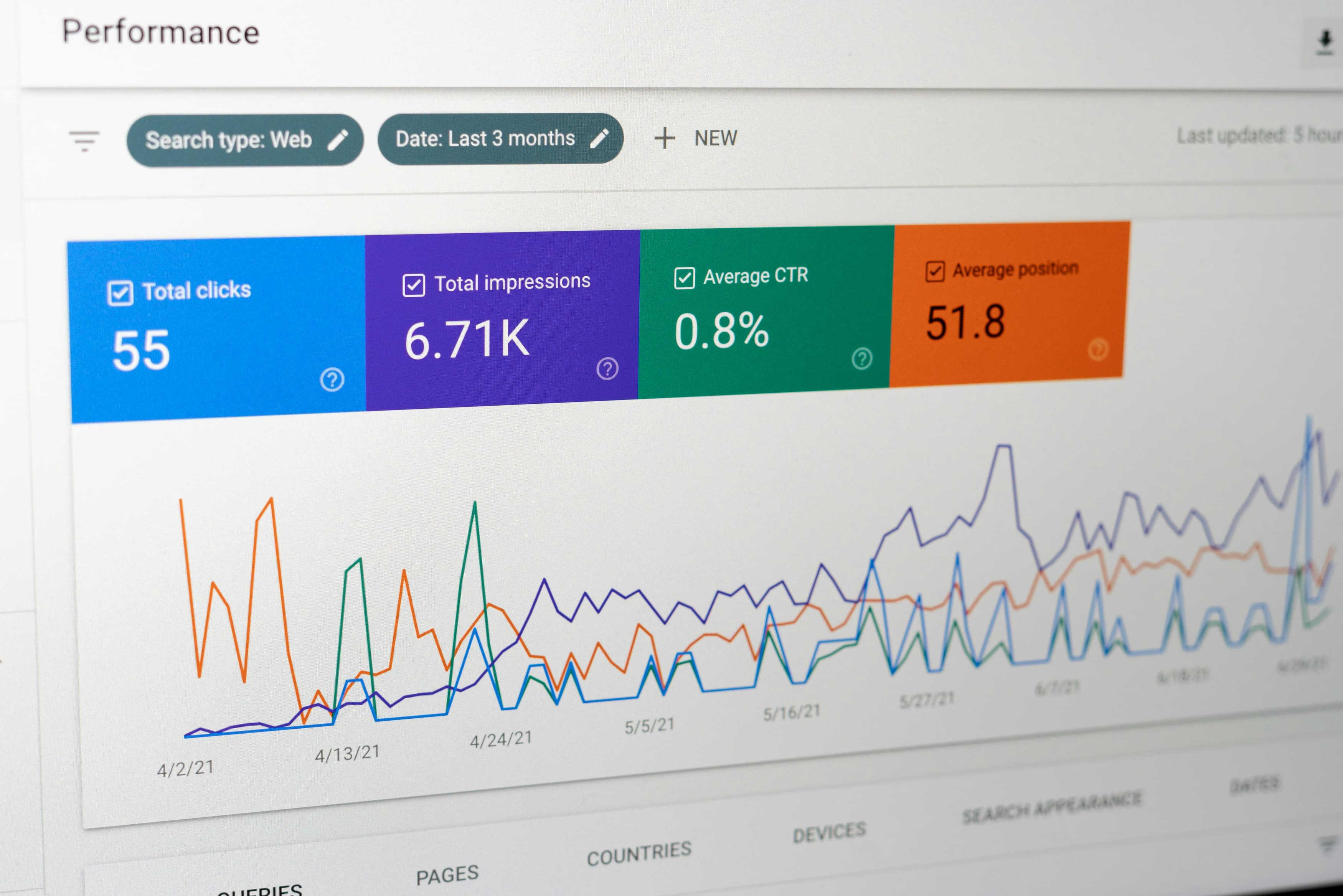
Tracking your rankings with Google Search Console, following traffic trends with Google Analytics and using a third-party tool to monitor your keyword rankings is a great place to start. Remember, this is a mammoth update so you might see some ebbs and flows.
What steps can I take to avoid being affected?
If you have any AI-generated content, now is a good time to revisit it and inject some authenticity into the content.
Take some time to read about this update directly from Google: https://blog.google/products/search/google-search-update-march-2024/
More importantly, this is the first core update for 2024. That means that everyone will be adjusting their SEO strategies to meet these updates. If you don’t have an SEO strategy in place for 2024, now is the time to get started. If you need help putting together an SEO strategy, we are here to help. We’d love to work with you to audit your current site and make improvements to increase your reach via Google Search.
Fill out the form below to receive a free audit of your site and get tips on how to improve your Google Search rankings.
